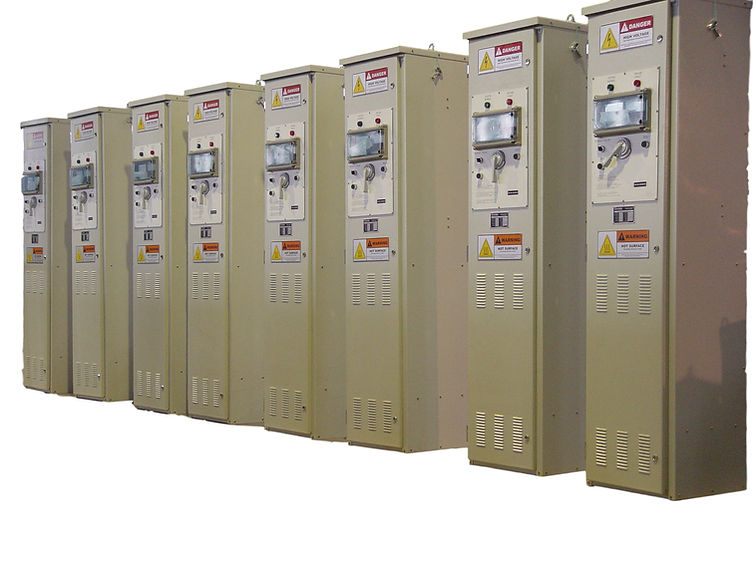
High Resistance Grounding Systems
HRGS
Protects the plant's entire electrical grid from catastrophic ground faults.
Learn moreNGR for transformers & generators
Limit phase-to-ground fault currents to protect equipment and personnel.
Request a Quote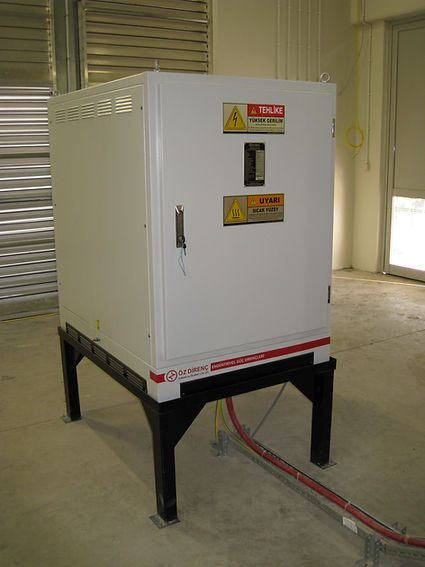
The neutral of the transformer or generator is connected to ground through a Neutral Grounding Resistor (NGR) to limit phase-to-ground fault currents.
Resistance grounding may be either of two classes, high resistance or low resistance, distinguished by the magnitude of ground-fault current permitted to flow.
High Resistance Grounding Systems
Protects the plant's entire electrical grid from catastrophic ground faults.
Learn more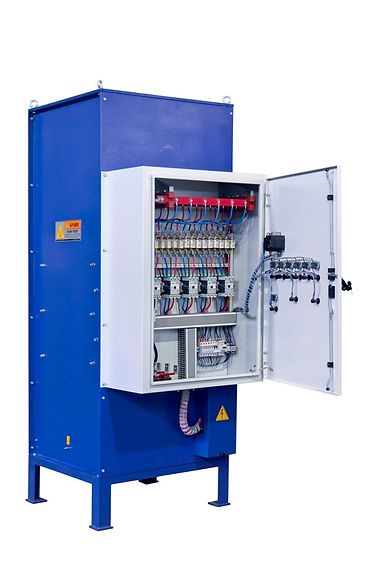
Resistive loadbanks
Test gensets, UPS and battery systems at their rated power under real loading conditions.
Learn more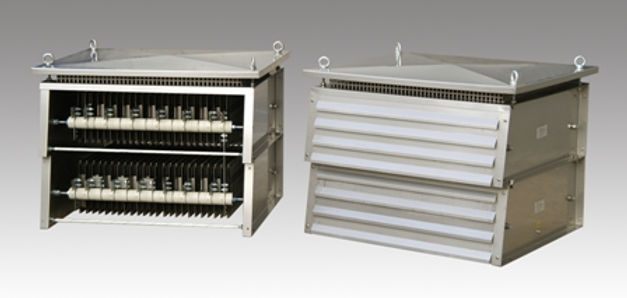
Starting & speed-regulating resistors
Rugged start resistors for AC slipring and DC motors in severe operating conditions.
Learn more